


What Is Hip Replacement Surgery?
The hip is a ball and socket joint. The ball, known as the femoral head, sits at the top of the thigh bone, and the socket, known as the acetabulum, is part of the pelvis. Both surfaces are lined with smooth cartilage that allows the joint to glide. When that cartilage wears away, usually because of arthritis, the bone surfaces rub together, which can cause pain, stiffness, grinding sensations and reduced movement.
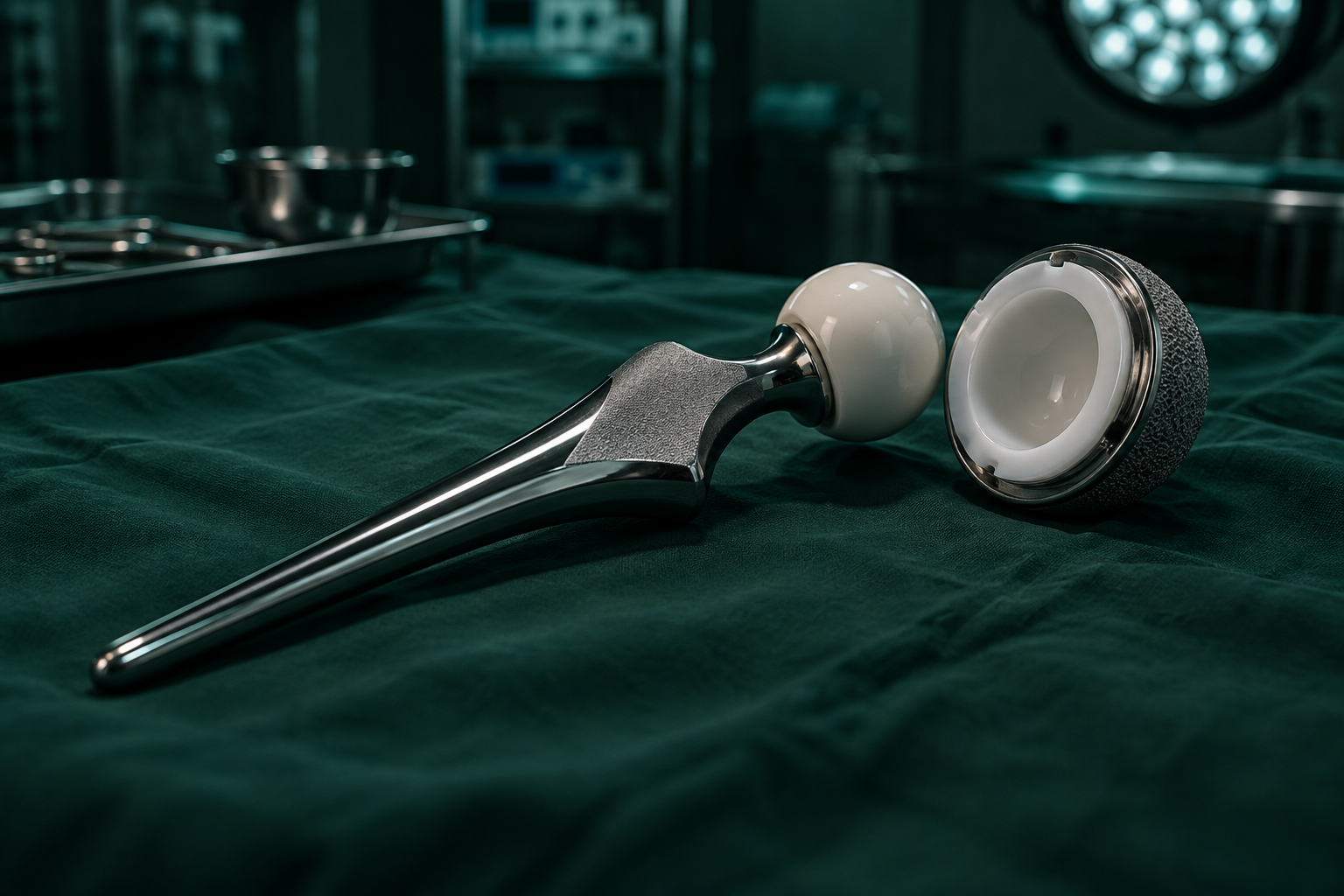
A total hip replacement is a surgical procedure in which the damaged femoral head is removed and replaced with a metal or ceramic ball on a stem that sits inside the thigh bone. The worn socket is resurfaced with a cup, usually lined with hard plastic, ceramic or metal, so the new surfaces can move smoothly against each other.
Some patients may be suitable for a partial hip replacement or resurfacing, and this depends on the diagnosis, bone quality, age and activity level. Where a previous implant has worn out, loosened or become infected, a more complex revision hip replacement may be discussed.
Hip replacement is usually considered later in the treatment pathway, after non surgical options have been tried. Guidance from NICE supports offering joint replacement to people with osteoarthritis whose symptoms substantially affect their quality of life and have not responded adequately to conservative care. It is not an emergency operation in most cases, so there is normally time to consider the options carefully.
Who May Benefit From Hip Replacement Surgery?
Hip replacement may be considered for adults whose hip symptoms are persistent, limiting and no longer well controlled by other treatments. Common features include:
- Groin, buttock or thigh pain that worsens with walking or standing
- Pain at night or at rest that disturbs sleep
- Stiffness that makes it difficult to put on shoes and socks, cut toenails or get in and out of a car
- A limp, or increasing reliance on a stick or crutch
- Reduced walking distance and withdrawal from work, hobbies or exercise
- Limited benefit from painkillers, physiotherapy, injections or activity changes
Suitability is always individual. Factors such as general health, body weight, smoking, diabetes control, bone quality, previous surgery and expectations all influence whether an operation is likely to help and how safely it can be performed. Some patients are better served by continued non surgical management or by treating another cause of pain, such as the spine or the soft tissues around the hip. Mr Shanmugasundaram Rajkumar will advise on the most appropriate option following a full assessment.
Conditions and Problems Commonly Treated
- Osteoarthritis of the hip, the most frequent reason for hip replacement
- Inflammatory arthritis, including rheumatoid arthritis
- Avascular necrosis, where the blood supply to the femoral head is reduced
- Post traumatic arthritis following a previous hip fracture or injury
- Hip dysplasia and other developmental conditions causing early joint wear
- Certain hip fractures in older adults, where replacement may be recommended
- A previously replaced hip that has loosened, worn or failed
Reliable information on arthritis and joint pain is also available from Arthritis UK and the British Hip Society.
Potential Benefits
Hip replacement is one of the more predictable operations in orthopaedic surgery, although outcomes still vary between individuals. For suitable patients, the procedure may:
- Substantially reduce arthritic hip pain
- Improve walking distance, balance and confidence on stairs
- Restore movement needed for everyday tasks such as dressing and driving
- Support a return to low impact activity such as walking, swimming, cycling and golf
- Improve sleep quality where pain has been disturbing rest
- Reduce reliance on regular pain relief, where clinically appropriate
No operation can guarantee a particular result. Some patients notice residual aches, altered sensation around the scar or minor differences in leg length. Long term implant survival is monitored nationally through the National Joint Registry, and many modern hip replacements continue to function well for well over a decade, although this depends on age, activity and other individual factors.
Your Recovery Timeline
- Day 0–1: Standing and walking with support, usually the same day as surgery
- Week 1–2: Home with crutches, daily wound checks and early physiotherapy
- Week 6: Most patients walk comfortably indoors and outdoors, driving typically resumes
- Month 3–12: Continued improvement in strength, confidence and swelling settling
Consultation and Assessment
A thorough assessment comes before any decision about surgery. During a consultation you can expect:
- A detailed discussion of your symptoms, how long they have been present and how they affect daily life
- Review of your medical history, medication, allergies and previous operations
- A physical examination of the hip, spine, knees and walking pattern
- X rays of the hip and pelvis, with further imaging such as MRI or CT arranged if needed
- Blood tests and, where relevant, a review of general fitness for anaesthesia
- An open discussion of all options, including continued non surgical treatment
- Explanation of the likely benefits, risks, recovery timeline and alternatives, so you can give informed consent
Planning also covers implant choice, anaesthetic options, expected length of stay and the practical support you may need at home.
How the Procedure Is Performed
Hip replacement is carried out in an operating theatre, usually under spinal anaesthetic with sedation, or under general anaesthetic. The choice is made with the anaesthetist based on your health and preference.
During the operation
The surgeon makes an incision over the hip to access the joint, removes the damaged femoral head and prepares the socket. A cup is fitted into the pelvis and a stem is inserted into the thigh bone, either press fitted so bone grows onto it or secured with bone cement. A new ball is attached and the joint is tested for stability, leg length and range of movement before the tissues are closed. The operation itself commonly takes between one and two hours.
After the operation
Most patients are encouraged to stand and take a few steps with a physiotherapist on the same day or the following morning. Hospital stay is often one to three nights, and selected fitter patients may be suitable for a day case or enhanced recovery pathway. Pain relief, blood clot prevention and early mobilisation are all part of standard care.
Recovery and Aftercare
Recovery is gradual and varies from person to person. General expectations include:
- Walking aids such as crutches or a frame for the first few weeks
- Daily physiotherapy exercises to rebuild strength and movement
- Wound checks and removal of clips or sutures, where used
- Driving often resumed at around six weeks, once you can control the vehicle safely and comfortably
- Return to office work commonly between four and eight weeks, later for physically demanding jobs
- Follow up appointments to review progress, with X rays as required
- Continued improvement in comfort and function over three to twelve months
You should seek prompt medical advice if you develop increasing pain, fever, wound redness or discharge, calf swelling, chest pain or breathlessness, or if the hip feels unstable.
Risks and Considerations
Hip replacement is generally safe, but as with any major operation there are risks that must be understood. These may include infection, blood clots in the leg or lung, bleeding, dislocation, leg length difference, fracture around the implant, nerve or blood vessel injury, ongoing pain, implant loosening or wear over time, and the possible need for revision surgery in the future.
Surgery is not appropriate for everyone. Alternatives such as physiotherapy, weight management, walking aids, pain relief or injections may be more suitable in some cases, and these will be considered honestly during your assessment. Evidence summaries from sources including the Cochrane Library and NHS guidance can help you weigh up the options.
Why Consider Mr Shanmugasundaram Rajkumar
Mr Shanmugasundaram Rajkumar is a Consultant Trauma and Orthopaedic Surgeon with more than 16 years of consultant experience and a practice focused on hip and knee surgery, joint replacement and complex trauma. He is fellowship trained in lower limb arthroplasty and knee surgery, with experience in both primary and revision hip and knee replacement, and previously worked at Wrightington Hospital, a recognised centre for joint replacement surgery.
- Honorary Senior Clinical Lecturer at the University of Glasgow
- College Tutor/ Regional Surgical Advisor for the Royal College of Physicians and Surgeons of Glasgow
- Uses 100 per cent ODEP 10A rated hip and knee implants
- Joint replacement outcomes evidenced through National Joint Registry data and Scottish Arthroplasty Project data.
- Nearly 2 decades of experience and expertise in modern joint replacement surgery
- Active researcher involved in randomised controlled trials and UK and European multicentre studies
- Published in peer reviewed orthopaedic journals and a reviewer for international surgical journals
- National lecturer and medical educator in Trauma & Orthopaedics
The aim throughout is straightforward, evidence based advice, so that surgery is recommended only where it is likely to help.
Frequently Asked Questions
Is hip replacement surgery painful?
The operation itself is not felt because of the anaesthetic. Some discomfort afterwards is normal and is managed with a combination of medication and early physiotherapy. Most patients find pain improves steadily over the first few weeks.
How long does the procedure take?
The surgery usually takes around one to two hours, although you will be in theatre and recovery for longer.
How long is recovery?
Many people walk with aids within a day, manage independently at home within a few weeks and feel considerably better by three months. Full recovery can take up to a year.
Am I suitable for hip replacement?
Suitability depends on your symptoms, examination findings, imaging and general health. Your surgeon will advise following a full assessment.
Are there alternatives?
Yes. Physiotherapy, weight management, pain relief, injections and activity modification may all be appropriate, particularly in earlier arthritis.
How long will a hip replacement last?
Modern implants often last many years, and national registry data helps track long term performance. Younger and more active patients may have a higher chance of needing revision surgery in later life.
When should I book a consultation?
It is reasonable to seek a specialist opinion when hip pain limits walking, work, sleep or independence despite simpler measures.
At a glance
Anaesthetic
Spinal or general
Operation time
45–90 minutes
Hospital stay
1–3 nights, or day-case
Recovery
6–12 weeks to daily activities
Implants
100% ODEP 10A-rated
Fees & insurance
New Consultation
£180
Follow-up
£110
Insurers
Bupa · AXA Health · Aviva · Vitality · WPA
Self-pay
All-inclusive quotation on request
A written quotation is provided before any procedure is booked.
Discuss your hip
Request an appointment at Ross Hall Hospital, Glasgow.